April 21, 2008...6:55 pm

Mozambique: Facing a land scramble

Jump to Comments

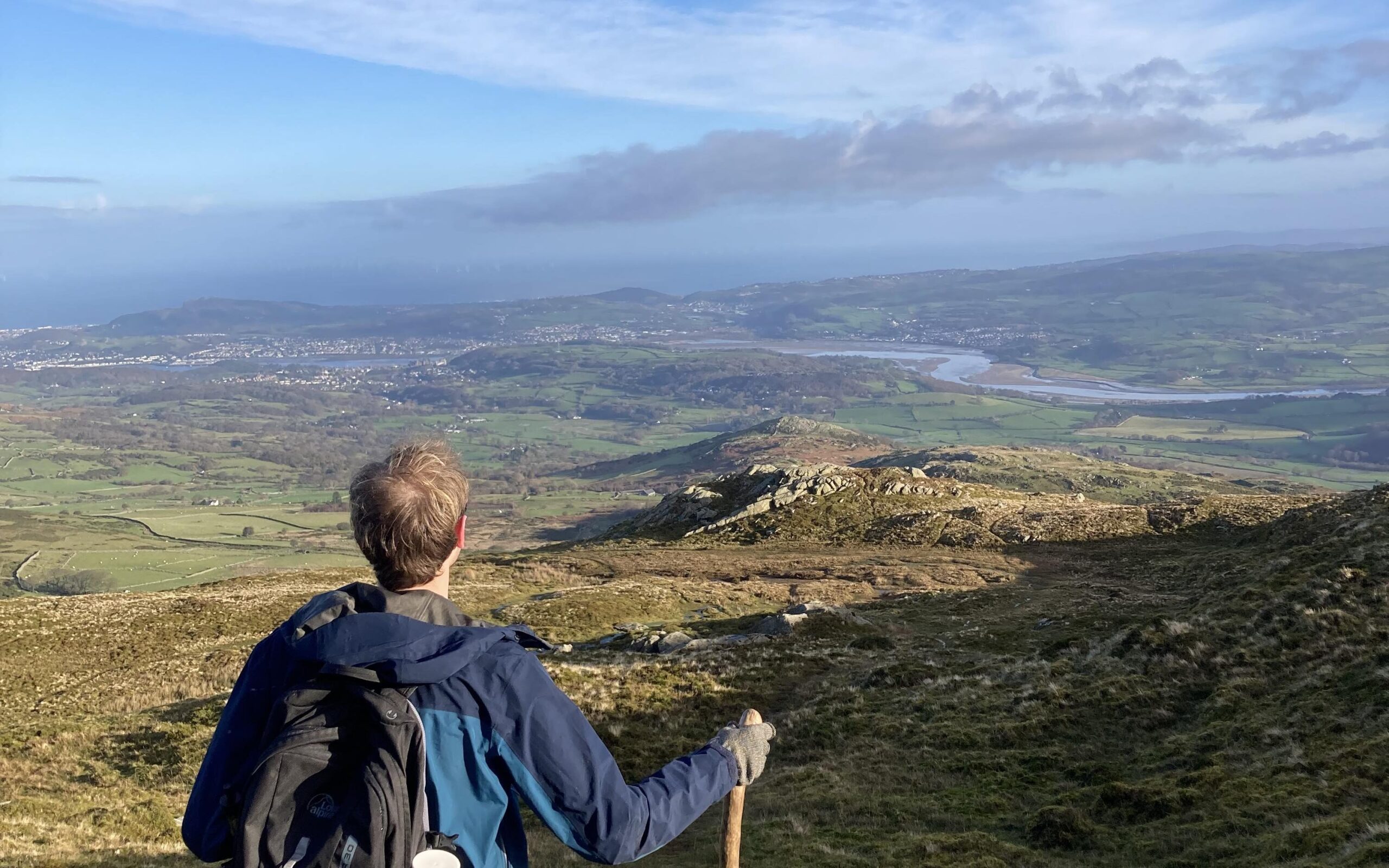
Wide open spaces and blue skies. Huge expanses with few semi-nomadic groups sharing the land with wild animals. Fertile soil, high grasses.

A railroad, the occasional road, government restricted to a few outposts.

Sounds like the Wild West?

Actually, I’m referring to Niassa Province, northern Mozambique.

Residents of the remoter areas of the Province are coming to grips with the idea that land is a limited resource.

They are realising that now is the time to assert their rights to land.

On April 17, Niassa celebrated the International Day of the Peasant. Members of the National Farmers Union (UNAC) reflected on the struggles of landless people around the world, and remembered their own struggles under colonialism to keep their land.

Most importantly, the day was important because the speeches and theatre helped people here imagine a day where they might actually lose their land.

Only three years ago this was unimaginable.

But now, the government and investors talk of the province becoming the largest area of pine tree plantation areas in the world.

Already, massive investments here are demanding huge land areas where people are living and farming.

One example is the community of Chimbunila, where forestry companies won a large concession despite limited consultation with those farming in the area.

Union members say they do not know what was agreed with the forestry project, and do not understand their rights to compensation.

As they told us, “Our riches come from the land. If our children study, it is thanks to our production from the land.

“How can we live when they take our land? And our children?”

In order to avoid more situations like this, UNAC is working with neighbouring communities and their rulers to clarify the Land Law which, on paper, is actually quite progressive and protects communities’ rights.

But, what UNAC is finding in practice is that some communities are losing their lands with little say in the matter.

Traditional authorities, such as “rulers” or “sultans”, represent communities in this region - and often these individuals allow foreign investors to occupy lands without checking with the community first.

UNAC’s work is bearing fruit. An hour down the road from Chimbunila, the Union told us that UNAC’s training on the Land Law helped another community to protect their farming lands.

When they heard forestry investors were in town, they marched to the “ruler” and warned him that they were aware of their rights.

They also made it clear to local government that they would not accept their lands being signed away.

As a result, the government agreed to help the farmers associations register their lands in order to avoid conflicts with potential investors.

Posted by JanetG

Like what you read? Post a comment or ask a question below

Leave a Reply