El Salvador: The post-war generation

Just when we thought that Guarjila was the end of the world, we found ourselves in places even more remote and even closer to the hills that marked the Honduran border.

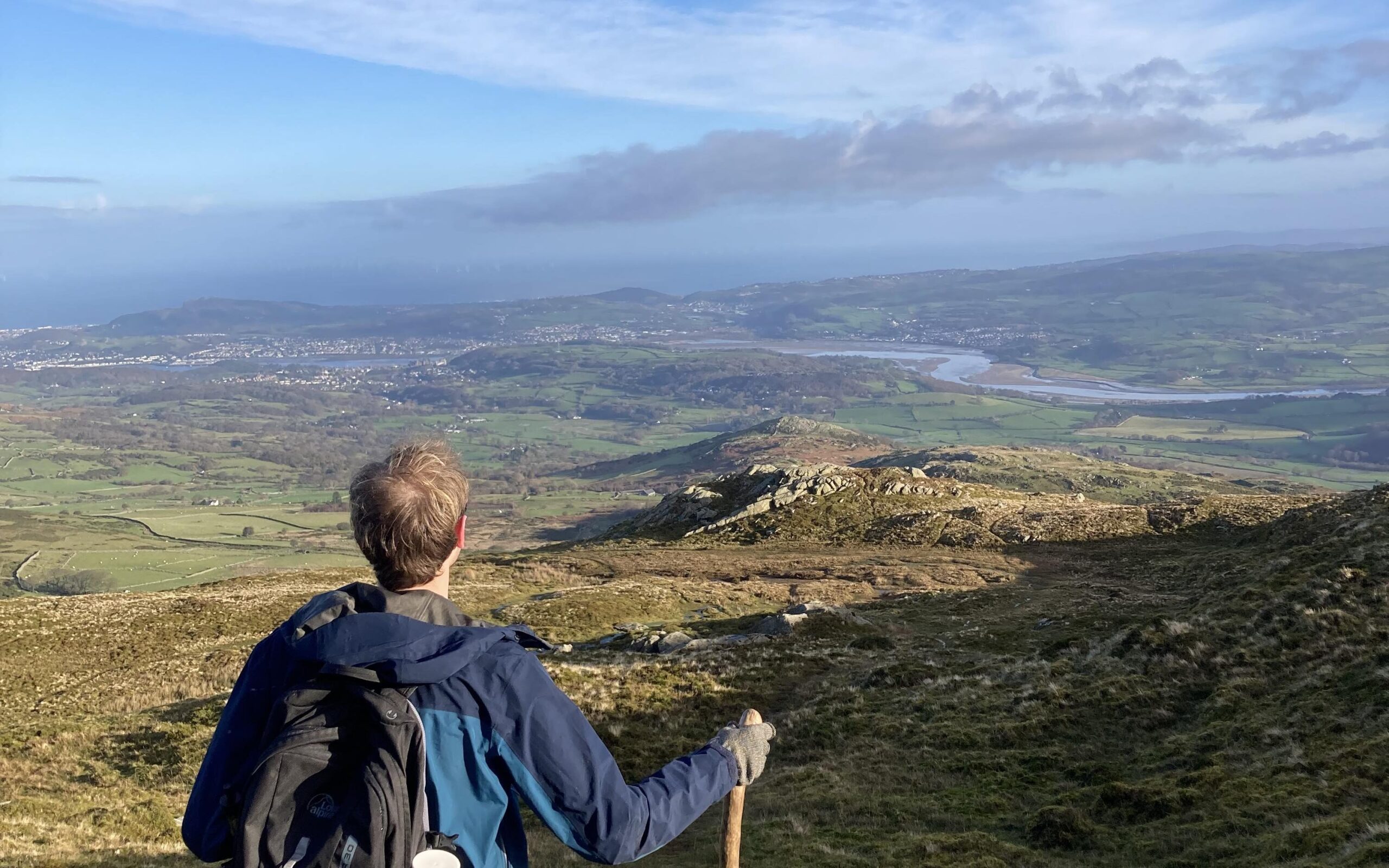
The views were breathtaking, the inclines heart-quaking and the roads bone-shaking.

Arcatao, like Guarjila, was a town that had been deserted because of the civil war.

We stayed in the parish house, a once well maintained convent that had been taken over as a barracks when the Government forces overran the town and the nuns were expelled as refugees.

The house still had great views but that is probably the best we could say about it.

The stories we heard in Arcatao were reminiscent of the Second World War; but these events were barely 20 years ago.

Fresh in people’s memory was the killing of 200 adults and 36 children when troops fired on them as they were trying to flee.

They were remembered because their families and friends still lived locally. Those who survived only did so by walking through the jungle, living on roots and soil, and hiding in caves.

The saddest story was of children being accidently suffocated by their parents, terrified that their crying would reveal the hiding places.

We heard these stories from Clarita and Maria Elia who had been among these survivors.

These women were now using meagre resources to put together a tiny museum to keep the memory of resistance alive.

The signs were on blackboards, the photos stuck with tape and the display cabinets locally made.

But this didn’t lessen the impact of seeing the shrapnel, the smuggled medicine bottles and the shoes worn down through months of tramping over mountains.

The clothes of people killed in the massacre reminded us of the abandoned clothes of Auschwitz.

But we did not need to go to the museum for these reminders. The local church contained paintings of the traditional 14 stations of the cross, scenes from Christ’s Passion.

But next to each one was also painted an image of the town’s own experience of the Passion -massacres, air strikes, the killings of Romero, the Jesuits and four American religious sisters who had worked in the area.

The church was both literally and figuratively at the centre of the community, standing by the people when no one else would.

And it remains so, as we saw from the crowds at Mass on Sunday morning, spilling out into the charming square afterwards to enjoy freshly made pupusas (the country’s national dish, a fried cheesy tortilla).

The town also contained some unusually fine houses which we learnt had been financed by Salvadoreans in the US.

Even if most were not able to send so much money back, remittances from often undocumented migrants were the main source of income for many families.

No wonder an estimated 500-700 leave the country each week.

One who had made it good in the US was a young man from the even more remote village of Los Pozos where we went for our second Mass.

We don’t know what was a more unlikely sight in the church – this local man who had become an American priest, the dogs sleeping in the aisle, or happy, engaged young people.

They might have been there because the sermon was not just the people listening to the priest, but also the priest listening to the people as they shared their reactions to the readings.

At the end of both Masses we even saw young men reading the parish newsletter with its discussion of current political issues, the emerging food crisis and the threat to the local environment from proposed mining activities.

Any one of these issues has the potential once again to overturn the lives of these wonderful people.

But having seen them trying to re-make their lives, we hope and pray that they and their children will remain the post war generations.

Posted by RaymondP

Like what you read? Ask a question or leave a comment below

Leave a Comment

Filed under CAFOD, El Salvador

Leave a Reply

Fill in your details below or click an icon to log in:

WordPress.com Logo

You are commenting using your WordPress.com account. Log Out / Change )

Twitter picture

You are commenting using your Twitter account. Log Out / Change )

Facebook photo

You are commenting using your Facebook account. Log Out / Change )

Connecting to %s