Rio+20: A wake-up call for the world

CAFOD partner Nanette Antequisa speaking about Rio+20

credit: Layton Thompson

The ‘green economy’ may contribute to achieving a greener and fairer world. However, there are several barriers to overcome first. The green economy should be tamed and guided by principles of equity, respect and shared responsibility. Find out more about the green economy >>

Based on our experience in Mindanao, one of the biggest barriers in realising the vision of a fairer world is the continuing control and dominance of global corporations, which prioritise profit over sustainable and equitable development. Governments, especially in developing countries like the Philippines, have difficulty making global corporations accountable to national laws and international standards.

There is no doubt that global corporations are among the key drivers of change in the world today. However, the drive for profit had put serious strain to the world’s resources and added tension to local culture, politics and livelihoods. To some extent they have even deprived communities of their safety and of livelihoods which are dependent on these natural resources.

The present global economy is fuelled by an endless demand for growth, the alter-ego of profit. We need to reshape global economy to ensure greater equity and environmental sustainability.

Our key challenge is how to shift from an economic system – based on the notion of unlimited growth – to one that is both ecologically sustainable and socially just.

I have no doubt about the important role played by corporations in the global economy in the last 200 years. Global corporations operate in many countries, but decisions are made by a few people sitting in offices in big cities in developed countries. The decisions made here in London may cause devastating effects to local livelihoods, yet no one here knows what is happening on the ground.

In order to achieve sustainable development goals, the UN should adopt clear and enforceable rules and standards, not just voluntary standards for global companies operating in the developing countries. These standards should be harmonised with existing enforceable agreements.

The present world economy is driven by heavy industry and plantation agriculture which marginalises small-scale rural producers. Yet, small-scale agriculture enables millions of people in poverty all over the world to support themselves.

There is a troubling tendency for food and agriculture to be subsumed into a wider ‘environmental’ agenda that ignores the recurring global food crises and the links between industrial agriculture and climate crisis.

The importance of agriculture, and especially the role of small-scale producers, must be central to any discussions of a green economy. Their voices have to be listened to if we want the green economy to really address poverty.

I hope Rio+20 wakes up national governments all around the world. It should be a time for the voices of people living in poverty to be heard and their need for sustainable development listened to and acted upon.

This will require considerable change from the current unsustainable economic path the world is taking. But the Summit has the opportunity to set us on a new course for development which is both green and fair.

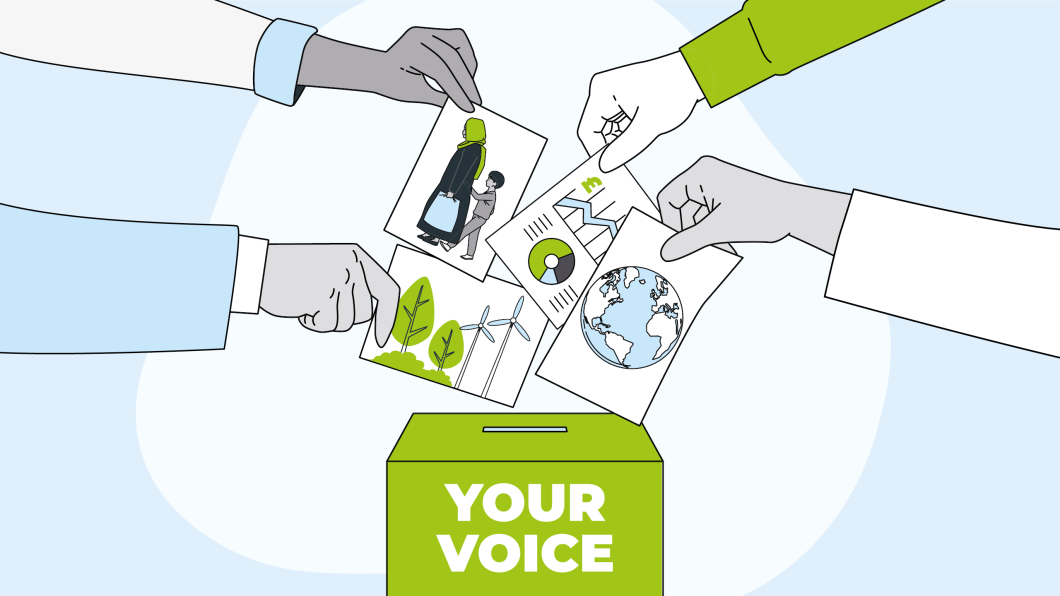
Join the Rio Connection. Email your MP to call for a fairer, greener world >>

About the author: Nanette Antequisa is the director of CAFOD partner ECOWEB in the Philippines. ECOWEB works to help people be better prepared for future disasters. She will be attending the Rio+20 summit. This blog is taken from the second part of a speech she gave in London in May 2012.

Read more about this event >>

1 Comment

Filed under CAFOD, Philippines

One Response to Rio+20: A wake-up call for the world

  1. Unfortunately I find the Rio+20 a missed opportunity for world leaders to hear the voices of the people living in poverty calling for real actions and commitments to sustainable development. Power and influence of global corporations have been clearly manifested again at Rio+20 thru how the Green Economy is framed…

Leave a Reply

Fill in your details below or click an icon to log in:

WordPress.com Logo

You are commenting using your WordPress.com account. Log Out / Change )

Twitter picture

You are commenting using your Twitter account. Log Out / Change )

Facebook photo

You are commenting using your Facebook account. Log Out / Change )

Connecting to %s