Tag Archives: refugees

Syria crisis: refugees in Turkey

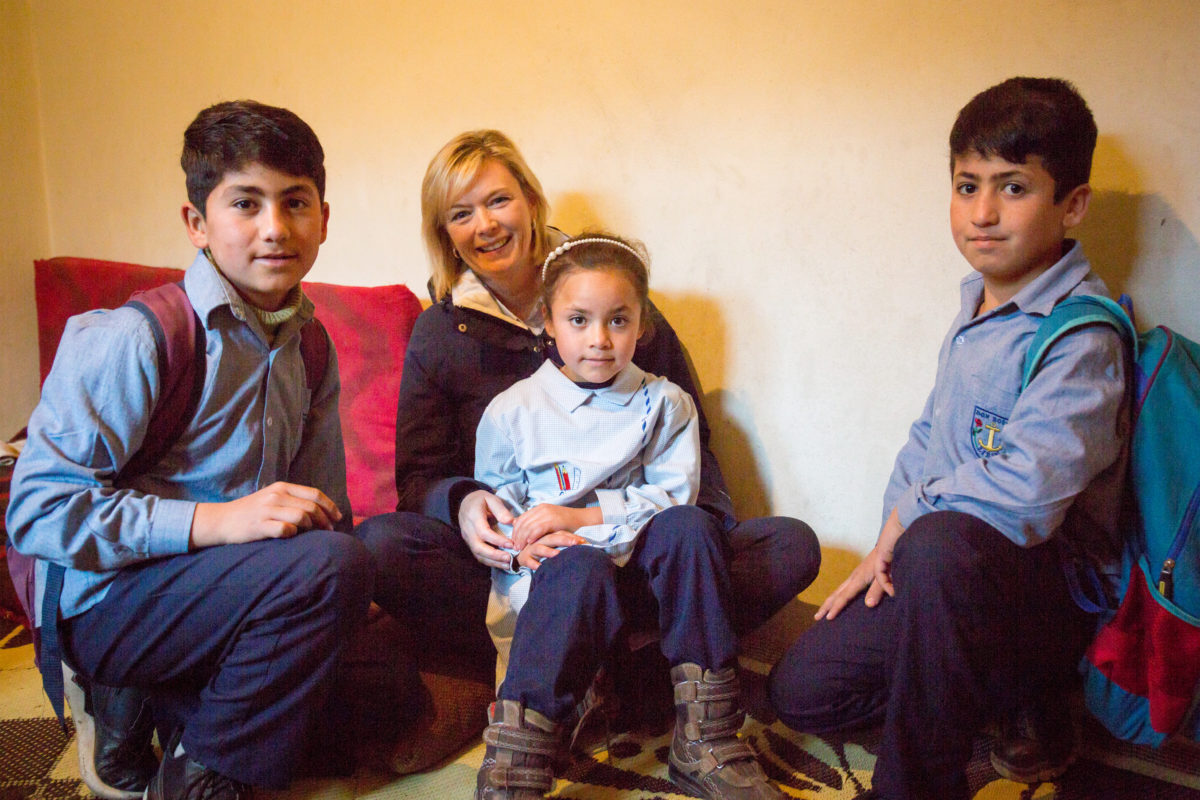
IMG_2033

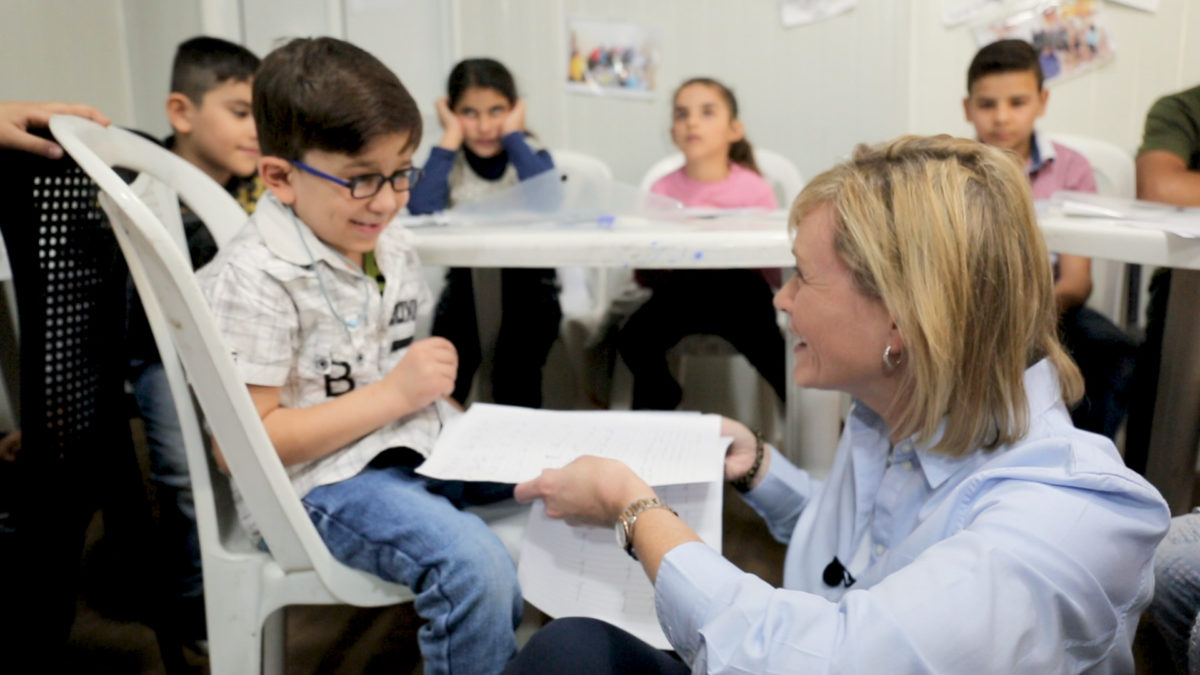
Ahmed: “Even as we were moving, part of our house was destroyed by a bomb.”

Donate to our Syria Crisis appeal>>

CAFOD’s Catherine Cowley writes:

It feels strange to do humanitarian work in Turkey. When I first drove down the dual carriageway from the international airport, past large apartment blocks and miles and miles of green countryside, I couldn’t help but be struck by the contrast with other emergency programmes I’ve been involved with.

Two years ago, I joined CAFOD as a trainee humanitarian officer. Since then, I’ve been based in Haiti and Kenya, where most of my experience has been of bumping along rutted, dusty roads, working with people you could see were living in poverty even before their lives were turned upside down by natural disasters.

The small Turkish town I’ve been working in recently, near the border with Syria, could hardly be more of a contrast. Everything seems stable, calm and prosperous: the shops are bustling with customers; the roads are teeming with vehicles; the scale of construction work is striking. Continue reading

1 Comment

Filed under CAFOD, Syria

Syria Crisis: new arrivals in Lebanon

Please donate to our Syria crisis appeal>>

caritas lebanon

Staff from Caritas Lebanon distribute shelter materials to new arrivals like Fadiya.

Mike Noyes, CAFOD’s Head of Humanitarian Programmes for Asia, the Middle East and Latin America, writes:

“Last year, I had a husband I loved, a family and a home. Now I have lost it all.”

Fadiya’s eyes and her whole demeanour told the story of the trauma she had been through, as her comfortable middle-class existence in Syria was shattered and replaced by life as a refugee. As we spoke, her aunt sat in the corner of the tent, her back towards me.  She was in formal mourning for her husband, and according to custom was not able to meet and speak with men from outside her family circle.

Fadiya fled Syria with her aunt, her two sisters and their children after their home was destroyed by shelling, which killed her uncle and two cousins. Her own husband had been killed by shelling a few months before that, leaving her to bring up her two children alone.

Now the family are living in a shelter made of timber and plastic sheeting on the edge of a field in Lebanon’s Bekaah valley. Their household is one of about thirty in a small tented settlement, only a few kilometres from the Syrian border, where the barren, rocky hills meet the flat plains of Lebanon’s prime agricultural region.

Many other refugee families live nearby, renting vacant homes or agricultural buildings, or staying with Lebanese families who have received them into their homes. Most have come from Homs, but there are also families from Damascus and as far north as Aleppo.

Fadiya has found a few days work here and there, helping on a farm. It pays $4 per day, which doesn’t go far when you have fled with only the clothes on your back and when your youngest child is sick.

With new refugee arrivals outpacing the capacity of the United Nations to receive and register them, a vulnerable family can wait three months before they start getting official help. Many are struggling to cope. Our partner Caritas Lebanon is working to fill that gap, providing essential support to refugee families before they get registered and appear in the official statistics.

Caritas Lebanon’s team of social workers carries out daily visits to settlement sites and other areas in the Bekaah valley to monitor new arrivals and to ensure that those in need get support.

They’re able to provide foods like rice, pasta, cheese, beans and sugar, as well as hygiene kits with soap, toothpaste and toothbrushes, and towels and nappies for babies.  Over the winter they also provided stoves for heating and heavy duty plastic sheeting to help keep the tents as warm and dry as possible.

Caritas Lebanon has been able to support about 3,500 families in the area so far, and is currently registering about 50 new families a day.

I could see clearly that Fadiya and her sister already knew the Caritas Lebanon team well, calling them by name. They obviously had trust and confidence in them. Even though they are still in shock from what they experienced before they fled and even though they feel vulnerable living in a tent, the relationship with the Caritas Lebanon team is helping to start the process of adaptation and recovery.

Thanks to the generosity of our supporters, we’ve been able to make a strong commitment to support Caritas Lebanon’s vital work. And, because this refugee crisis is traumatic for everyone, we are also looking at how we can help Caritas’s excellent team of staff deal with some of the difficult issues they themselves have to face.

Please donate to our Syria crisis appeal>>

Leave a Comment

Filed under CAFOD, Lebanon, Syria

Turkey: side by side with Syrian refugees

We are supporting our partner Caritas Turkey as they respond to the refugee crisis caused by fighting in Syria. The article was originally posted on the Caritas Internationalis blog

Help us respond to the crisis in Syria>>

There are tens of thousands Syrian refugee families living outside the tent camps along the Syria-Turkey border. This is a number increasing very fast day by day. About an hour far from Istanbul, some Syrian refugee families live in poor and crowded housing conditions.

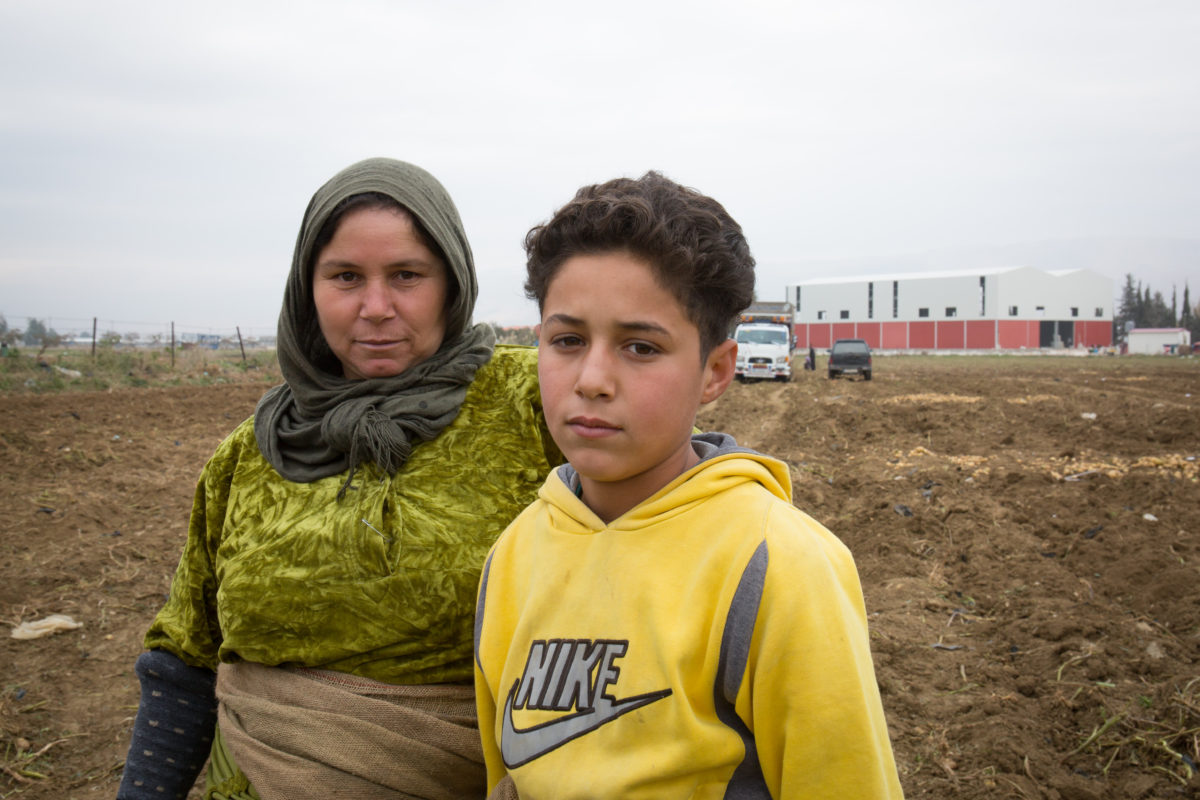
Ali, a 13 year old young boy, is worried for his father, who developed serious hypertension and heart problems recently, following the stress he has to endure every day. He, together with his family and children, had to flee in a rush from a conflict in Syria, facing a dangerous, long journey to cross the border into Turkey.

Now, they do not know for how long they will have to stay in Turkey without sufficient resources, jobs, education, health services, and without being allowed to apply for asylum or being given an official status. They are worried about the rent, the future of their children, the food and even more they are worried about what is happening to the people they left behind. They are worried about not being able to see their houses, their country again.

Ali and his family share the house with three other families. In total they are 14 people. Ali repeats the words of the social worker of Caritas, “Please daddy pay attention not to forget to take your pills every day.” Continue reading

Leave a Comment

Filed under CAFOD, Syria

Democratic Republic of Congo: thousands take refuge in Church buildings

Thousands of people have been forced to take refuge in church buildings because of the occupation of Goma by a rebel group known as M23. We are working with our local partner Caritas Goma to ensure that they have food, shelter, clothes, blankets and cooking equipment.

Father Piero Gavioli is Director of the Don Bosco Ngangi Centre in Goma. He told us:

People started arriving here on Friday 16th November, but the numbers increased on Monday 19th November. They came from Kanyaruchinya camp, which is three kilometres away.

Some of them were hungry and very poor, with few clothes or possessions. I saw a woman whose leg was broken during her journey, and many others were also injured. I’ve also heard that eight pregnant women gave birth during their escape. The people I met said that they were disappointed, that they were losing hope for peace, that they were losing hope that they would be able to go home.

We welcomed people to stay in our classrooms. We were obliged to stop lessons at school because of the situation. But the classrooms are very crowded, so some people are living outside without any shelter. Others are living in the large games room here, and even in the great hall of the church. In total, there are 2056 households living in our compound, including 6821 children.

Our mission is to welcome people. There is a trust between us and the people. As they need our help, they respect what we say to them. We are not afraid of their presence with us.

We have received support from Caritas Goma, especially help for malnourished children in  urgent need of food. Today, we still receive their support.

My messages to the rest of the world are: 1) The whole world should know what’s happening here. 2) The world should be aware of the seriousness of the situation. Because the conflict here is not ethnic or tribal conflict but it’s an economic conflict based on natural resources in the DRC. 3) The international community should maintain pressure on the leaders in the region to preserve peace and to allow the region to develop without war.

Support our response to the crisis>>

2 Comments

Filed under CAFOD, DR Congo

What life’s really like in refugee camps

Samia Hussein

Catherine Mahony, one of our Emergency Response Officers, writes:

I often feel that life in refugee camps is misrepresented. I don’t like the images of camps we see on television, in which people always look sad and helpless. I know why we are only shown the horror:  it’s undeniably awful that people have had to run from their homes because they’re being bombed, that they’ve had to walk for a month to find safety, that they’re tired and sick and don’t have enough food. But that isn’t the whole picture.

I met Samia Hussein because the beautiful stoves she was selling made me stop in my tracks. We were in the marketplace in Yusuf Batil refugee camp in South Sudan, home to more than 35,000 people who have fled fighting in Blue Nile State in Sudan. Samia was selling portable, energy-efficient stoves that were made from donkey dung, for about 50p each.

When I approached her, she was stirring a big pot of okra stew that she was planning to sell that night, but she smiled and welcomed me into her shelter.  She told me that she, her husband and her two sons had fled from their village last September. “We were being bombed,” she said and mimed the Antonov planes that had roared overhead. Since then, the family had travelled on foot, with almost no possessions, before arriving in Batil this June.

I asked Samia how she was finding life in Batil. Given how difficult I knew things were in the camp, I was surprised by her response: “It’s good,” she said, smiling. Continue reading

1 Comment

Filed under CAFOD, South Sudan