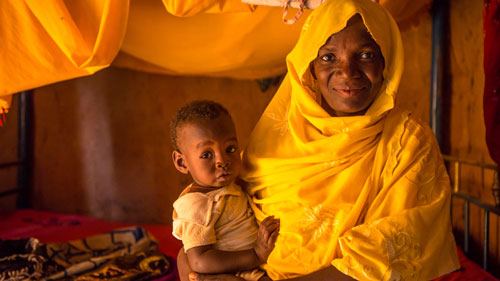
This is a climate emergency
May 23, 2019
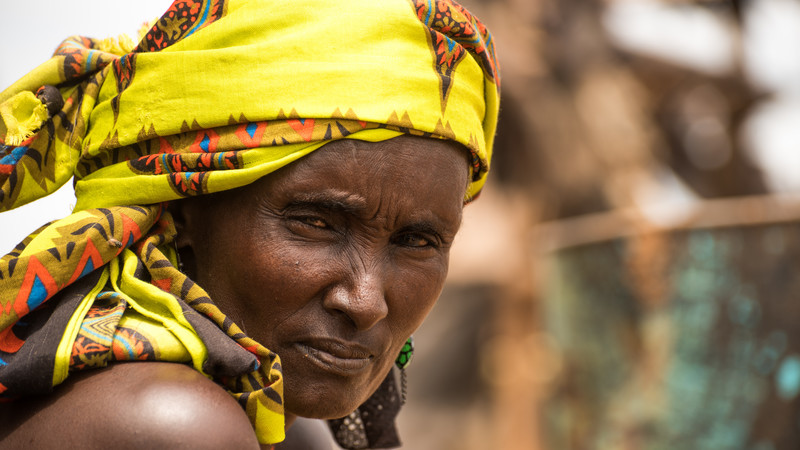
Mark Chamberlain, CAFOD Communications Officer, describes how people’s lives are changing around the world because of climate change.
Continue reading “This is a climate emergency”
May 23, 2019
Mark Chamberlain, CAFOD Communications Officer, describes how people’s lives are changing around the world because of climate change.
Continue reading “This is a climate emergency”April 7, 2017
Bishop John Arnold, CAFOD’s Chair of Trustees, has now returned from visiting Niger. He visited CAFOD partners there and our Hands On Doutchi project. Read more about this trip here.
Hands On is a special series of CAFOD projects that allows you to support a specific community with a project. Our latest project in Bolivia is still open for new supporters to join.
Today was the long journey back to the capital city of Niamey. The journey was certainly long but by no means tedious and I keep reminding myself of the privilege of being here and experiencing the life of the people and a place which could not be much further removed from life in Manchester.
Continue reading “Bishop John’s last couple of days in Niger”
March 29, 2017
Bishop John Arnold, CAFOD’s Chair of Trustees, is currently visiting Niger. He will be visiting CAFOD partners there, including our Hands On Doutchi project. Bishop John is also keen to build stronger links with the local Catholic Church.
Hands On is a special series of CAFOD projects that allows you to support a specific community with a project. Our latest project in Bolivia is still open for new supporters. Find out more about Hands On in Bolivia
July 6, 2016
[youtube https://www.youtube.com/watch?v=rVvSKkmwcBg?rel=0&w=560&h=315]
Maggie Guy is a CAFOD volunteer from Birmingham diocese. Here she tells us how her parish has been fundraising for the Connect2: Ethiopia scheme.
Our Parish of Corpus Christi in Headington (Oxford) and Our Lady of Lourdes in Wheatley started supporting the community of Sebeya in Ethiopia in 2015. The project has really captured the enthusiasm of the parish and so far we have raised over £3,000.
Sign your parish up to Connect2: Ethiopia
We have raised money through a variety of activities: In April we had an Ethiopian evening where we enjoyed some delicious Ethiopian food, held a traditional coffee ceremony and had an illustrated talk from Tony Fitzgerald, a parishioner from our previous Parish in Camberley, who had visited the area. His pictures of a completed irrigation project in nearby Biera, supported by CAFOD Connect2, were profoundly moving; we could see a green valley, in marked contrast to the surrounding arid region, which should help protect the community from drought. Continue reading “Connect2: Ethiopia: Standing with Sebeya”
July 5, 2016
CAFOD’s World News Manager, Nana Anto-Awuakye has returned from Ethiopia where 10 million people currently face extreme hunger. She visited CAFOD’s partners in the northeast of the country to see how they are trying to tackle the devastating effects of the worst drought the country has seen in 30 years.
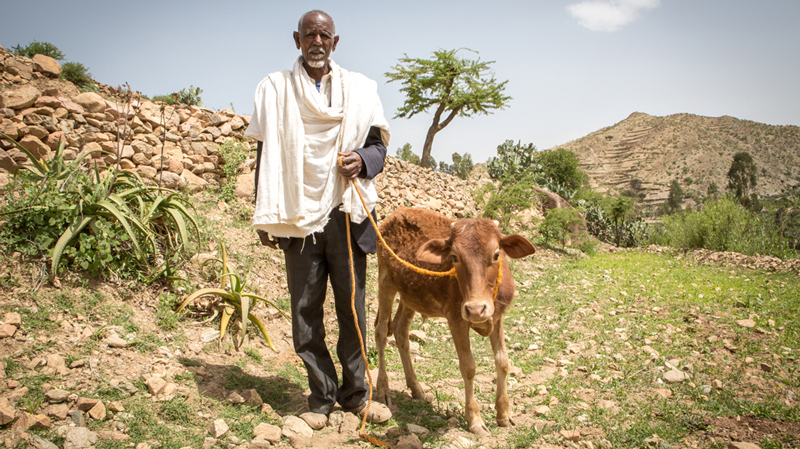
It’s time to shout about what is happening to the people of Ethiopia. The crisis they face right now may not have featured in much of our press, but lives depend on us making a noise about it now.
Donate to CAFOD’s Ethiopia Food Crisis Appeal
The drought, which has left 10 million hungry and 1.5 million young children, pregnant and breastfeeding mothers in need of food supplements, has been caused by an El Niño weather pattern. The UN’s World Meteorological Organisation warned last November that the current El Niño is the strongest in more than 15 years and will cause severe droughts and devastating flooding throughout the tropics and sub-tropical zones of the planet. Continue reading “Ethiopia Food Crisis: Drought seeps into every part of people’s lives”
July 1, 2016
Today more than 10 million women, men and children in Ethiopia are struggling with severe hunger caused by drought. With CAFOD working to respond, Jade Till, from our news team, describes her experience of the country’s rich culture and natural beauty.

Ethiopia is where life happens. Recently, Ethiopia has been in the news due to a widespread drought. What’s rarely told is the wondrous beauty of Ethiopia. It’s a dynamic country, rich in culture and history, I’m fortunate enough to have experienced it.
Donate to CAFOD’s Ethiopia Food Crisis Appeal
Probably what Ethiopia is most well-known for is coffee. Anyone who’s met me for longer than five minutes knows I’m a coffee drinker. Ethiopia is why I love, and drink, so much coffee.
I remember experiencing my first traditional coffee ceremony. No matter where I was in Ethiopia or if I was in the city or a rural village, the coffee was always served in a traditional style. Grass (even in areas where I hadn’t seen grass for days) is laid out around the coffee area. The woman making the coffee always wore a traditional, flowing, white gown. The coffee beans would be; washed, roasted, crushed, mixed into hot water, and then placed in a traditional coffee pot. The coffee would be shared and you would always drink seven cups of coffee during the coffee ceremony! Ethiopian coffee is extremely strong; it’s also extremely delicious.
Meet the tiny breakfast grain helping to save lives
Continue reading “Ethiopia appeal: Betam amasayganalo Ethiopia!”
June 16, 2016
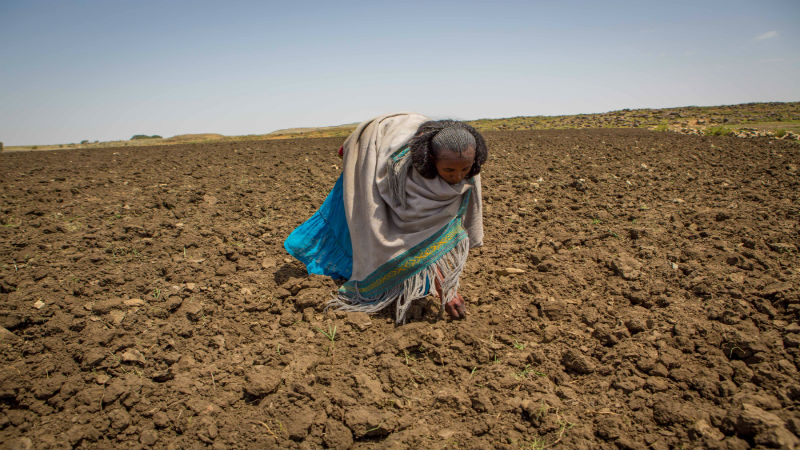
A crippling drought has hit Ethiopia and 10 million people face hunger. We are working with our local partners to reach the most vulnerable with life-saving aid. Severe and extreme weather shifts, part of the El Niño effect, mean that the rains in Ethiopia have failed twice. It is believed that the severity of the droughts caused by El Niño are worsening because of climate change.
Find out more about the current situation in Ethiopia
Our partners around the world have been seeing climate change affect communities for years now, and things are only getting worse. Abba Teum, the Diocesan Director for Adigrat Diocese Catholic Secretariat, (one of our partners in Ethiopia) told us how climate change has impacted his local landscape and affected his community. Continue reading “Ethiopia drought: we must work together to tackle climate change”
June 10, 2016
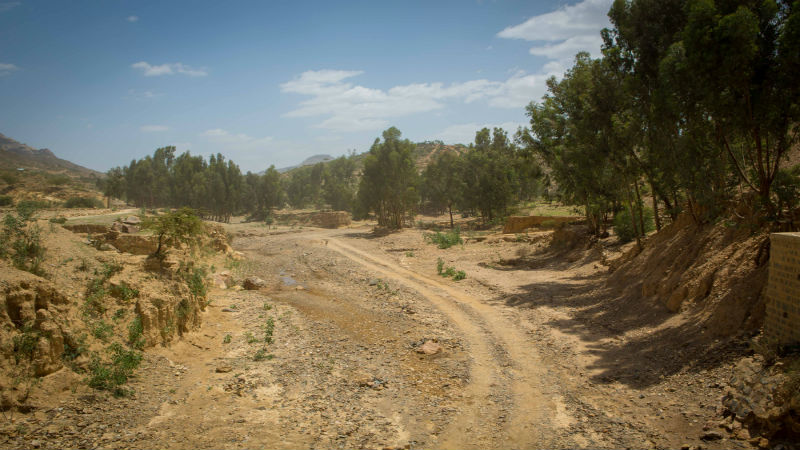
CAFOD’s World News Manager, Nana Anto-Awuakye has returned from Ethiopia where ten million people currently face extreme hunger. She visited CAFOD’s partners in the northeast of the country to see how they are trying to tackle the devastating effects of the worst drought the country has seen in 30 years.
It is truly shocking to hear a mother talk about her children going hungry, to say that she can’t remember the last time she was able to feed her children three meals a day.
Donate to the CAFOD Ethiopia Food Crisis Appeal now
Last month, I was in Ethiopia’s north eastern region, where I met mothers who told me that they, along with millions of others, are facing severe hunger because of food shortages brought on by drought.
One such mother is Herit who lives in a village called Arato in the country’s northern Tigray region. There are around 1,200 families here, and nearly a third of these families are run solely by mothers like Herit. Continue reading “Ethiopia Food Crisis Appeal – Ten million people at risk of hunger”
April 17, 2015
Unbelievably, we are already halfway through our project in Kitui. So much has been achieved in this short time, but there is much still to be done, and no time to waste.
We were happy to welcome our friends Mark and Louise from CAFOD in the UK, who were able to see first-hand the hard work being done all around the project site, look out for their reflections in your next postal update.
Your support makes all of this work possible – please accept our warmest thanks, and keep Kitui in your prayers.
Continue reading “Hands On: the halfway mark”